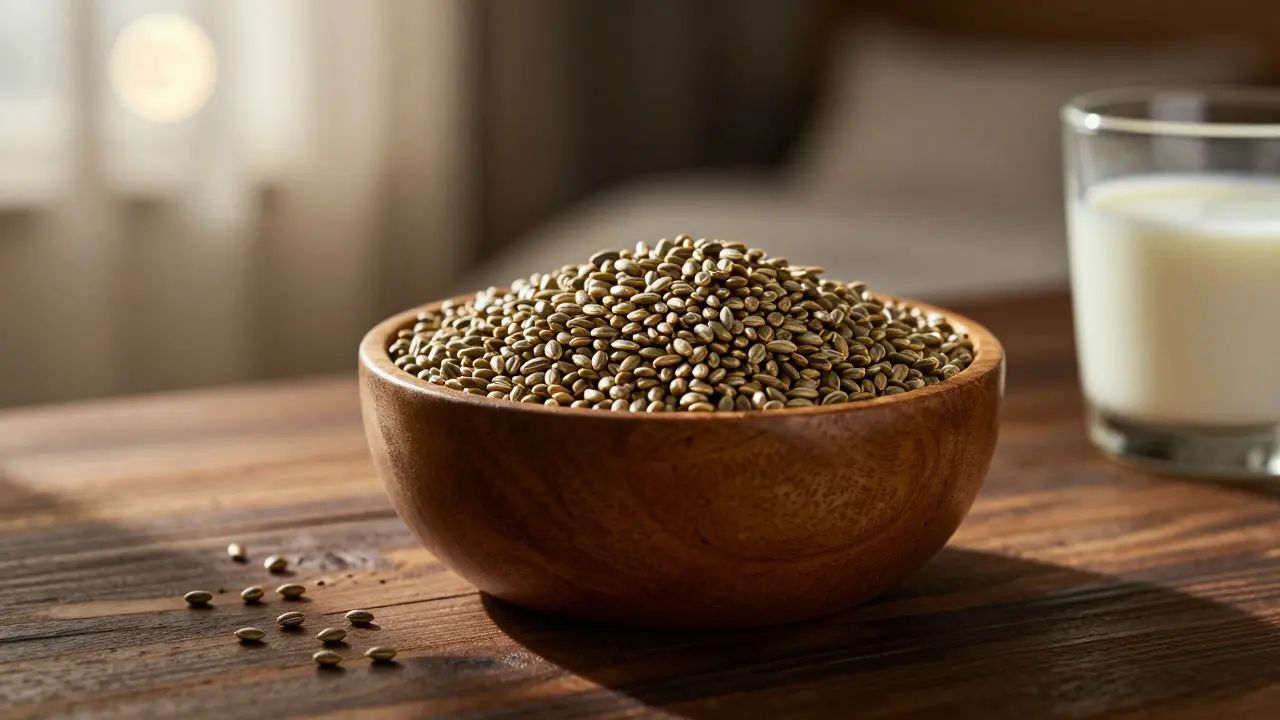
Do hemp seeds make you sleepy? The truth about sleep and nutrition
You stare at the ceiling, counting sheep that never seem to arrive. Your brain won't shut off, your body feels restless, and you wonder if there’s a natural fix hiding in plain sight. Maybe it’s in your pantry. You’ve heard whispers that hemp seeds might help with sleep, but is it real science or just another wellness myth? Let’s cut through the noise. We’re not talking about getting high here; we’re talking about biology.
The Chemistry of Calm: What’s Actually Inside Hemp Seeds?
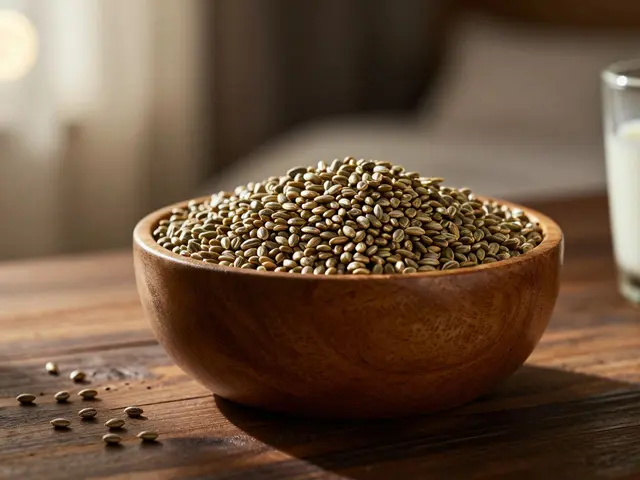
To understand why people link these tiny nuts to better rest, we need to look at their nutritional profile. It’s not magic; it’s chemistry. Hemp seeds are packed with essential nutrients that play direct roles in neurotransmitter production and muscle relaxation. Specifically, they contain three key players: tryptophan, an amino acid precursor to serotonin and melatonin. Magnesium, a mineral known for calming the nervous system and reducing cortisol levels. And finally, gamma-aminobutyric acid (GABA), a neurotransmitter that inhibits excessive brain activity.
Here’s the catch: eating hemp seeds doesn’t instantly knock you out like a sleeping pill. There is no THC-the psychoactive compound found in marijuana-in significant amounts in industrial hemp seeds. So, you won’t feel "stoned" or drowsy immediately after snacking on them. Instead, they work by supporting the body’s natural sleep-wake cycle over time. Think of them as fuel for a well-oiled machine rather than a switch that turns off the lights.
Tryptophan and Melatonin: The Sleep Pipeline
Your body needs raw materials to build sleep hormones. This process starts with tryptophan. When you consume protein-rich foods like hemp seeds, your digestive system breaks them down into amino acids. Tryptophan is one of them. Once absorbed, it crosses the blood-brain barrier. Here’s where it gets interesting: your brain converts tryptophan into serotonin, the "feel-good" neurotransmitter that regulates mood and anxiety. Later, when darkness falls, your pineal gland converts serotonin into melatonin, the hormone that signals your body it’s time to sleep.
Hemp seeds provide a decent amount of tryptophan-about 0.15 grams per 30-gram serving. That’s comparable to other plant-based proteins like pumpkin seeds or soy. But here’s a pro tip: tryptophan competes with other large neutral amino acids to enter the brain. To give it an advantage, pair hemp seeds with a small amount of carbohydrates, like a banana or some oatmeal. Carbs trigger insulin release, which clears competing amino acids from the bloodstream, letting more tryptophan reach your brain. This synergy makes the potential sleep benefits much more effective than eating hemp seeds alone.
Magnesium: The Relaxation Mineral
If tryptophan builds the sleep signal, magnesium relaxes the hardware. Most adults don’t get enough magnesium. Studies suggest up to 50% of people fall short of recommended daily intakes. Why does this matter for sleep? Magnesium binds to GABA receptors in the brain. GABA acts like a brake pedal for your nervous system, slowing down neural activity. Low magnesium levels are linked to insomnia, restless leg syndrome, and heightened anxiety.
A single tablespoon of hemp hearts provides about 45 mg of magnesium. While this isn’t a massive dose (the RDA is around 310-420 mg), it contributes significantly to your daily total. Combined with the arginine also found in hemp seeds, which helps produce nitric oxide and improve blood flow, you create a physiological environment conducive to deep rest. It’s not about sedation; it’s about removing barriers to falling asleep.

Omega-3s and Inflammation: The Hidden Sleep Saboteur
Chronic inflammation can disrupt sleep architecture. If your body is fighting low-grade inflammation, it stays in a state of alertness. Hemp seeds offer a perfect ratio of omega-6 to omega-3 fatty acids (3:1). This balance is rare in modern diets, which are often skewed heavily toward inflammatory omega-6s from processed vegetable oils. Omega-3s, specifically alpha-linolenic acid (ALA) found in hemp, have anti-inflammatory properties that may indirectly support better sleep quality by reducing systemic stress markers.
While research directly linking ALA to faster sleep onset is still evolving, studies on broader omega-3 supplementation show correlations with improved sleep efficiency. By adding hemp seeds to your diet, you’re addressing overall health, which naturally supports better nights. It’s a holistic approach: less inflammation means less physical discomfort, which means fewer awakenings during the night.
How to Use Hemp Seeds for Better Sleep
So, how do you actually eat them for maximum benefit? Timing matters. Eating a heavy meal right before bed can cause indigestion, which ruins sleep. However, a light snack containing hemp seeds 1-2 hours before bedtime can be helpful. Here are practical ways to incorporate them:
- Hemp Seed Milk: Blend 2 tablespoons of hemp seeds with water and a pinch of salt. Strain if desired. Drink warm with cinnamon. Warm liquids promote relaxation.
- Evening Smoothie: Mix hemp seeds with tart cherry juice (which contains natural melatonin) and a banana. This combines tryptophan, magnesium, and melatonin sources.
- Savory Snack: Sprinkle hemp hearts on avocado toast or mix them into hummus. The healthy fats keep you satiated without spiking blood sugar too much.
- Hemp Tea: Steep whole hemp seeds in hot water for 10 minutes. This extracts some minerals and creates a mild, nutty tea that feels ritualistic and calming.
| Food Item | Tryptophan (mg) | Magnesium (mg) | Other Sleep Benefits |
|---|---|---|---|
| Hemp Seeds | ~150 | ~45 | High Omega-3, Complete Protein |
| Pumpkin Seeds | ~120 | ~150 | Higher Magnesium content |
| Almonds | ~80 | ~75 | Vitamin E, Calcium |
| Tart Cherry Juice | Low | Low | Direct Melatonin source |

Who Should Be Careful?
Are there downsides? Generally, hemp seeds are safe for most people. However, because they are high in fiber and fat, eating too many at once can cause digestive upset, such as bloating or diarrhea. If your stomach is rumbling, you won’t sleep well. Start with a teaspoon and work your way up to a tablespoon.
Also, consider drug interactions. Because hemp seeds affect blood pressure slightly due to arginine and omega-3s, consult your doctor if you are on anticoagulants or blood pressure medication. While rare, individual sensitivities exist. If you notice headaches or nausea after consumption, stop using them.
Real-Life Expectations: Myth vs. Reality
Let’s manage expectations. Will eating hemp seeds tonight cure chronic insomnia tomorrow? Probably not. Insomnia is complex, often rooted in stress, poor hygiene, or medical conditions. Hemp seeds are a supportive tool, not a pharmaceutical cure.
However, for mild sleep disturbances caused by nutrient deficiencies or mild anxiety, they can make a noticeable difference within a week or two of consistent use. Users often report feeling calmer and falling asleep easier. It’s subtle. You might not realize it’s working until you skip them for a few days and notice your sleep quality dips.
Frequently Asked Questions
Do hemp seeds contain THC?
Industrial hemp seeds contain trace amounts of THC (less than 0.3%), which is not enough to produce any psychoactive effects or make you feel "high." They will not impair your driving or mental clarity.
How long does it take for hemp seeds to help with sleep?
Most people notice improvements in sleep quality after 1-2 weeks of consistent daily consumption. It works cumulatively by building up nutrient levels like magnesium and supporting neurotransmitter production.
Can I eat hemp seeds every day?
Yes, hemp seeds are safe for daily consumption. A standard serving size is 1-3 tablespoons per day. Exceeding this may lead to digestive issues due to high fat and fiber content.
Are hemp seeds better than melatonin supplements?
They serve different purposes. Melatonin supplements directly increase hormone levels and are useful for jet lag or shifting sleep cycles. Hemp seeds support the body's natural production of sleep hormones and address underlying nutrient gaps, making them better for long-term sleep hygiene.
What is the best time to eat hemp seeds for sleep?
Consuming hemp seeds 1-2 hours before bedtime allows time for digestion and nutrient absorption. Pairing them with a small carbohydrate source can enhance tryptophan uptake into the brain.